
Book Appointment Now
Why Slow Pressure Makes for Good Technique
Most people who are just starting to practice massage move their hands too fast. They slide from one place to another without waiting for the body to respond. But good technique is a matter of patience and gradual pressure. It takes a few moments for the muscle to relax, and it takes a few moments for your hand to figure out what is going on. If you can slow down your strokes when you first start practicing, the overall feel of what you do will change, because your hands will start to pay attention to what they are feeling. You’ll become aware of resistance, of heat, of subtle changes that will help you decide where to go next.
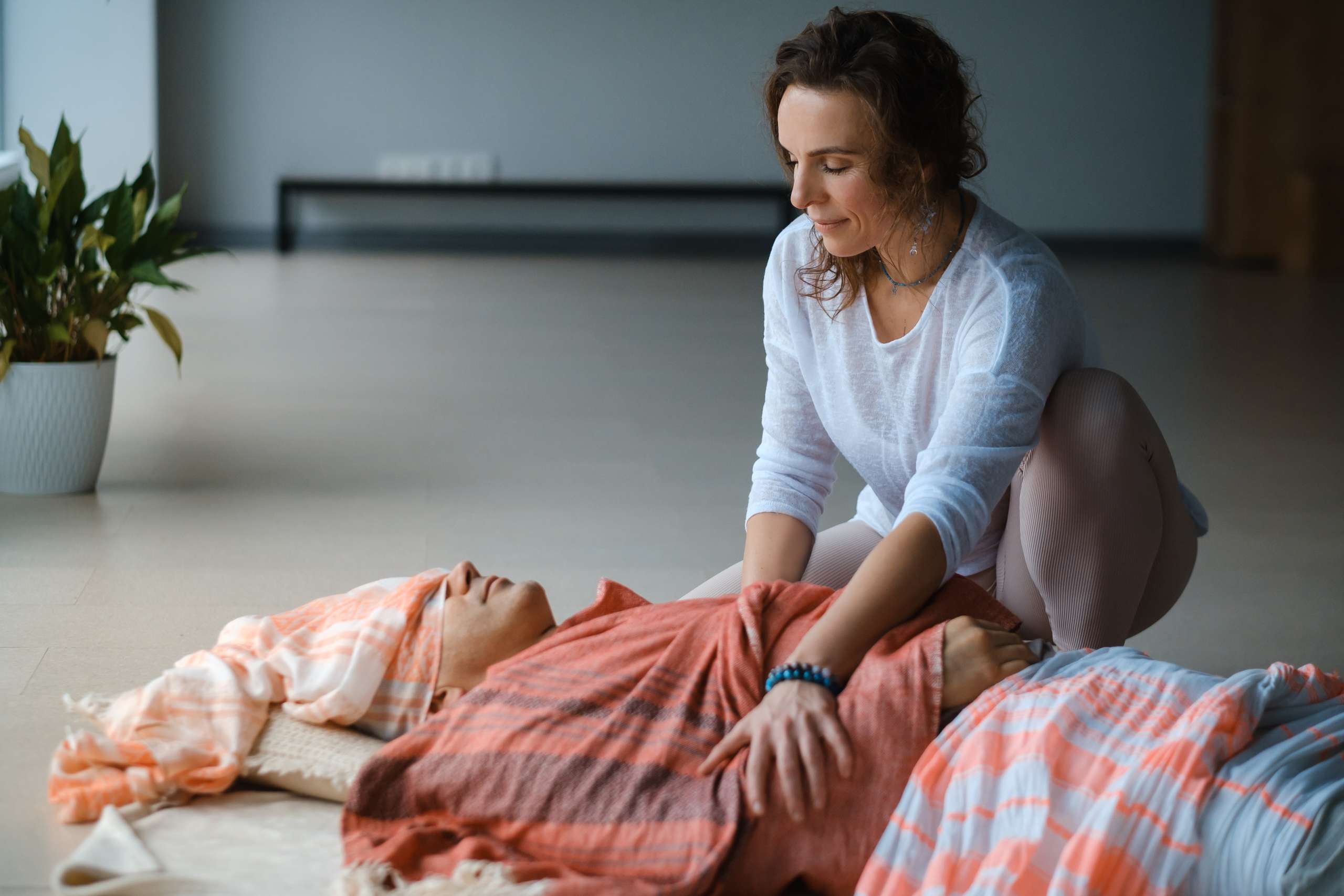
Here is a good exercise to help you slow down: Practice using pressure without moving your hand. Lay your palm across the upper back and lean on it slowly, over the course of three or four seconds, until your hand feels like it is being held up by the flesh underneath. Stop for a second or two, then gradually release. This exercise will help you focus on applying gradual pressure rather than using force. After you’ve repeated this exercise several times, add in a little movement. Just go a few centimeters. The point of the exercise is not to cover distance, but to control your pressure. And when you move slowly, you can start to notice when the flesh begins to melt.
One of the most common problems I see when people are first starting out is that they try to emulate the fast strokes they have seen professional massage therapists use in demonstrations or videos. The hand moves quickly over the body and the pressure becomes irregular, sometimes too light, sometimes too deep. This usually happens because the body is not properly behind the hands. If you find that this is happening to you, try adjusting your stance before you press harder with your hands. Position your feet so that you can lean forward and gradually transfer some of your weight into your hands. If you use your weight to create pressure rather than your arms and shoulders, your strokes will become much smoother and you will get tired much less easily.
Your overall technique will also become more even as you get used to practicing for short periods of time, rather than practicing for a long time and repeating the same movements over and over again. Fifteen minutes a day is a perfectly good amount of time to practice in order to develop your awareness and control. Start by spending the first few minutes practicing pressure without movement, as described above. Then spend a few minutes making long, slow strokes that last for several seconds from their inception to their completion. Finally, spend the last part of your practice combining pressure and movement in short little sequences, paying attention to how each part of the sequence feels as you do it. This will help you develop your overall sense of control, without straining your hands.
Finally, there will be times when your hands will stop paying attention to what you’re doing and everything will start to feel the same. When this happens, stop for a second and shake the blood back into your wrists. Then place your hands lightly on the body again, without using any pressure, and start over. This will help you avoid the temptation of pressing harder in order to feel something, and after awhile, you will start to develop a sense of the infinite variations in sensation that are available to you when you move slowly.